Improved medical imaging is usually considered to be more precise images. In reality, good radiology is more purposeful than that. It is important to determine the extent to which a medical exam can provide the necessary information for a specific situation.
For example, a person who has a suspected joint issue poses a different set of diagnostic issues as compared to someone who is undergoing prostate or breast imaging. Modern radiology tackles these distinctions by using a variety of imaging techniques rather than relying on one scanner for every situation.
Consultations with a private doctor at the Wolfsburg Diagnostic Center give patients access to a range of imaging and diagnostic radiology procedures within one location.
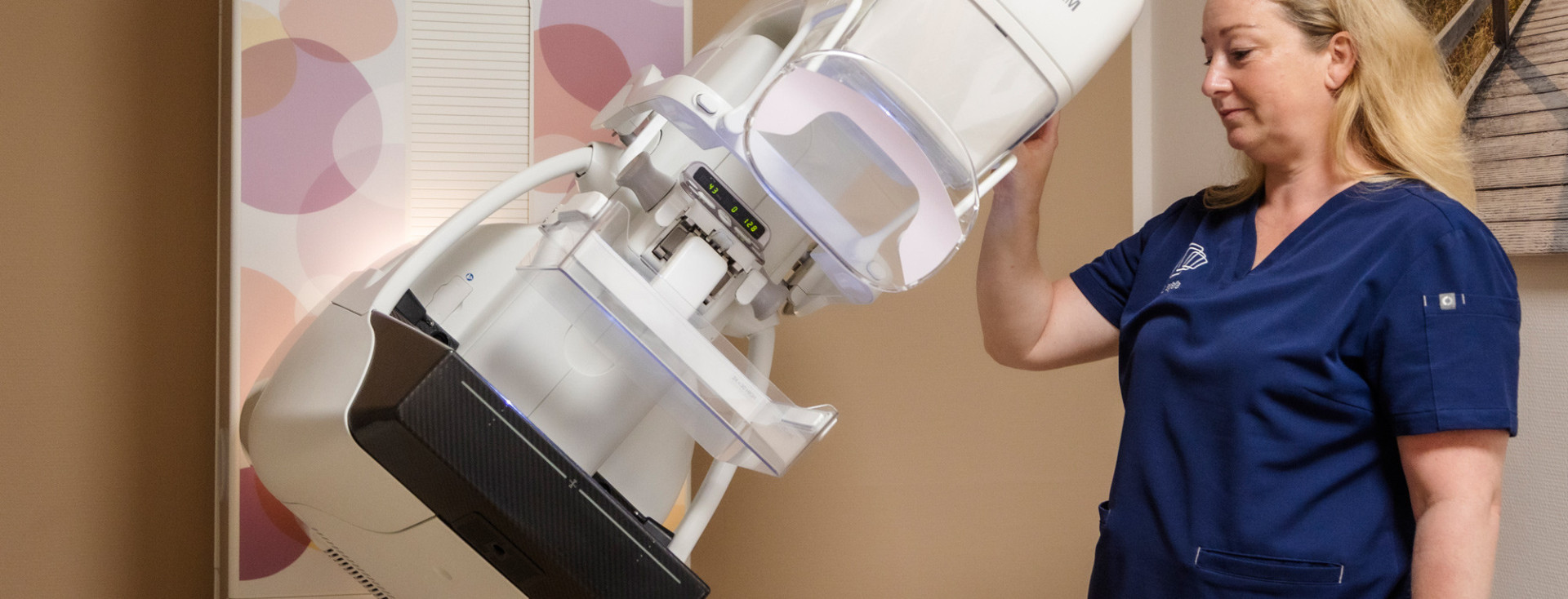
Image credit: diagnostikzentrum-wolfsburg.de
Different parts of the body Represent Themselves in Different Ways
Using various imaging techniques, using different imaging techniques, the bones, soft tissues organs, joints, organs and other structures may not look exactly the same way.
Magnetic resonance imaging can be particularly useful in situations where a detailed view of many soft-tissue structures is required. The Wolfsburg Diagnostic Center has two 1.5 Tesla MRIs that are utilized for testing the spine and brain and internal organs as well as soft tissue.
MRI doesn’t use X-ray radiation. The center also provides more specific examinations, such as prostate MRI and full-body MRI whenever medically suitable.
The expression “MRI” is a type of technology that refers to the use of this technology. But, the medical question will determine the method of use.
CT Provides a Different Point of Perspective
The role CT plays in diagnosing medical conditions is distinct. CT makes use of X Rays to produce precise cross-sectional images of the body. At the Wolfsburg Diagnostic Center Exams are conducted with low-dose technology that is designed to limit radiation exposure while maintaining the image quality needed for evaluation.
The patient’s condition determines the right imaging method. There is no requirement to say that having a better sounding image means it is better.
Digital X ray remains relevant
With MRI and CT getting a lot of attention, traditional X-ray imaging may appear outdated. Modern digital X-rays tell a different story.
Digital systems are still a common way to examine bones and skeletal structures. Modern equipment utilizes high-resolution images as well as techniques to minimize radiation exposure.
The latest technologies aren’t simply replacing the old ones however, they are broadening the options for radiologist.
Breast Imaging shows the benefits of a Specific Methods
Breast diagnostics are a further example of imaging that is specialized. The center provides mammography including 3D mammography and tomosynthesis, as also breast ultrasound. These techniques can offer different kinds of information, based on the individual patient’s medical condition.
Radiology is constructed on the same basis of understanding the subject matter that needs to be examined is vital for a successful imaging.
Sometimes, imaging can help guide treatment
Radiology doesn’t just involve finding and observing abnormalities. The Wolfsburg Diagnostic Center performs CT guided periradicular treatments (PRT) that uses CT images are used to guide the procedure. Low-dose radiation therapy is an additional available treatment service.
These examples demonstrate how imaging technology can move beyond observation and play a role in precisely directing the medical treatment.
Accurately asking questions with focus
Modern diagnostic centers aren’t limited by the number of devices they possess. Its worth is also derived from making use of the appropriate technology to meet the specific medical needs and having skilled specialists interpret the resulting images. To learn more CT Wolfsburg
Patients can get access to specialist treatment and a wide range of radiological examinations during private consultation times.
It’s not all about making additional images. It’s to create clinically relevant information that will aid physicians and patients in gaining a better understanding of the medical questions being investigated.