A large contract is signed by a manufacturer. While the requirements for monthly production have increased, the facility does not suddenly have more floor space or experienced employees. It is possible to add another shift temporarily, but it may also create new work as well as training, supervision and quality-control requirements.
This situation reveals a key purpose for robotic automation. Robotics isn’t only about replacing human workers with machines. The right application can transform how manufacturers use their capacity to produce.
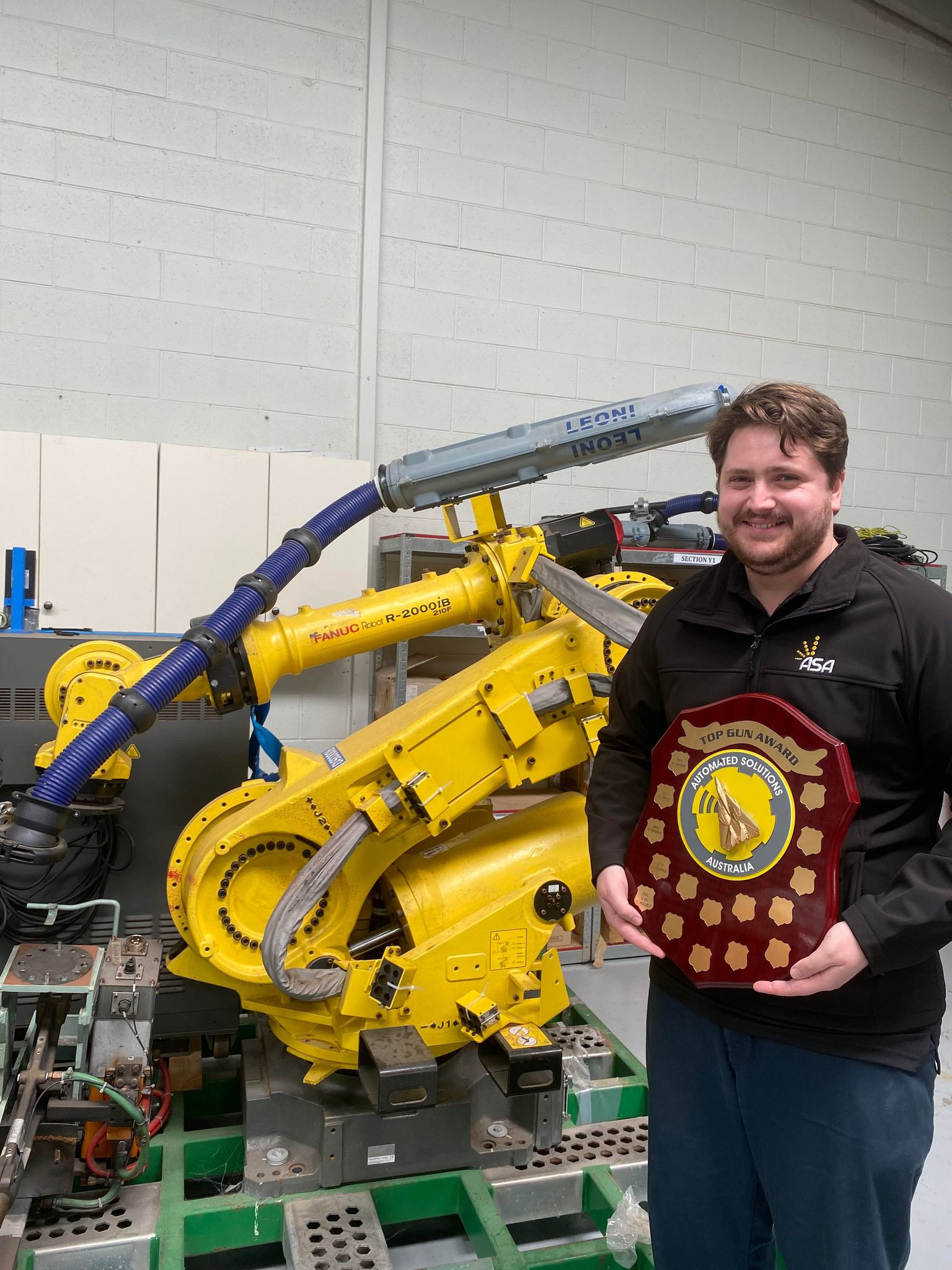
Image credit: automatedsolutions.com.au
Examine the Seconds That Change Between Products
Inefficient manufacturing isn’t always evident. Imagine a person spending 15 seconds locating a component for 10 seconds, then applying the material and then moving it. In the case of a single piece, it’s a small difference. The seconds add up when multiplied by thousands.
Wasted material is no different. The addition of a tiny amount of additional coatings or dispensing material throughout a massive production run could lead to an enormous expense.
Companies considering robotic automation Australia projects can benefit from examining these small, repeated losses before deciding what equipment they need. ASA’s analysis of needs is designed to uncover problems with quality and bottlenecks, as along with the waste that can be a problem within a project.
A Robot Has to Fit the Process Itself
Selecting a robot is only one option in the engineering process. It is possible to add tooling, guarding and controls sensors as well as conveyers, fixtures electronic integration, and communications with the current production equipment. Engineers must consider reach and payload while also determining how the robot can move around its space and interact with everything around it.
ASA provides the ability to develop concepts, system design and offline programming as part of its approach to robotic automation. Digital simulation allows engineers to investigate configurations and estimate cycles before the system is operating on the customer’s factory floor. It’s particularly useful when there’s a finite area or new robotics needs to integrate with an existing production line.
Painting and Dispensing Show Why the importance of repeatability is evident.
The ability to control movement is particularly important in some manufacturing processes. Imagine coating hundreds or thousands of parts. The goal isn’t just finishing each part quickly. It’s crucial to regulate the speed, distance and the movement of every component from beginning to at the very end.
ASA has experts who deal in the field of dispensing and painting across industries, including aeronautics and automotive. In these settings, industrial robotic automation offers regular, programmatic movements and decreases the risk of exposure for employees to physically challenging or potentially dangerous processes.
A better control system can also help reduce excessive material consumption, thereby contributing to lower waste alongside productivity gains.
The System Still Needs Personnel After Installation
Automation does not eliminate the requirement for expert manufacturing. It transforms the knowledge needed to run and maintain the manufacturing process.
Employees must be able to operate equipment safely, recognize abnormal behavior, troubleshoot faults, and take care of maintenance. Production requirements may also be changed, which means programs and processes may need modification later.
ASA provides training on site in safe operation, programming, troubleshooting, in addition to maintenance of electrical and mechanical systems. Additionally, the company provides maintenance as well as ongoing support to evaluate equipment condition and address issues that may arise during the equipment’s operational time.
Capacity is greater than working more quickly
In Australia, boosting production capacity does not necessarily mean hiring more workers for repetitive tasks or purchasing bigger buildings. Sometimes, the best question is whether or not the existing production process can be redesigned differently.
ASA has been creating and the integration of automation systems since 2002. It has assisted companies in Australia and also projects internationally. Its method combines the analysis of requirements as well as engineering, simulations FANUC robotic integration and training as well as servicing.
The goal isn’t to automate just for the sake of automation. Any system that is worth investing in should offer a manufacturer measurable results, including more reliable production, higher quality, more secure procedures and reduced waste, or an increase in capacity.